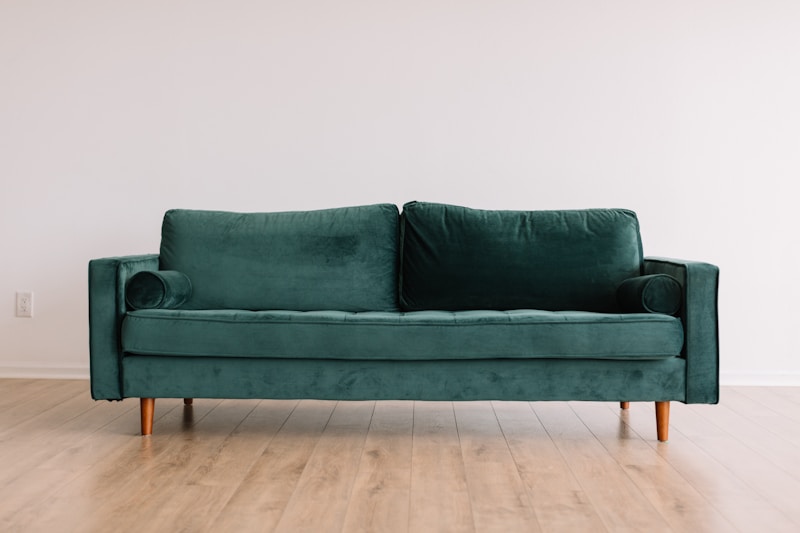
I still remember the first time I sat on a high-density memory foam cushion after years of dealing with flat, lumpy fiberfill cushions. It was like my furniture finally understood me. That moment of recognition—when the cushion literally molded to my exact body shape—convinced me that cushion material matters more than most people realize.
After testing hundreds of furniture pieces in my consulting work and spending countless hours discussing materials with manufacturers, I've developed strong opinions about what actually works. Let's break down the memory foam vs. fiberfill debate with real numbers and honest observations.
Understanding the Materials
What Is Memory Foam?
Memory foam, technically called viscoelastic polyurethane foam, was developed by NASA in the 1960s for aircraft cushioning. It responds to two things: heat and pressure. When you sit on memory foam, it softens where it's warm (your body) and firms where it's cool (the surrounding areas). This creates what's called "pressure redistribution"—the foam literally moves away from high-pressure areas like your tailbone and hip bones.
Memory foam comes in various densities, typically measured in pounds per cubic foot (PCF):
- Low density (1.5-2.0 PCF): Less expensive, more likely to flatten over time
- Medium density (2.0-3.0 PCF): Good balance of comfort and durability
- High density (3.0-5.0 PCF): Premium feel, holds shape longer, more expensive
What Is Fiberfill?
Fiberfill (also called polyester fiber, down alternative, or polyfill) is a synthetic material made from petroleum-based polymers processed into tiny, curly strands. These strands trap air between them, creating a soft, fluffy surface. Common types include:
- Standard polyester fiberfill: The budget option, flattens relatively quickly
- Cluster fiberfill: Smaller, more resilient balls of fiber that hold their shape better
- Siliconized fiberfill: Treated to resist clumping and maintain loft

Durability Comparison
This is where the materials diverge significantly. In my experience testing furniture over multi-year periods:
Memory foam durability: High-density memory foam maintains its structural integrity for 7-10 years with regular use. The material compresses but doesn't break down the way fibers do. I have a memory foam pillow that's been in daily use for 8 years and still returns to its original shape after compression.
Fiberfill durability: Standard fiberfill cushions typically need replacement or refluffing every 2-3 years. The fibers break down, flatten, and migrate over time. Even premium fiberfill rarely lasts beyond 5 years before showing significant wear.
"I once visited a furniture showroom where the same display model had been sitting for two years. The fiberfill cushions were visibly deflated; the memory foam cushions looked almost new. That's when I became a believer in high-density foam."
Comfort and Support Analysis
Memory Foam Pros
- Superior pressure relief: Redistributes body weight across the surface
- Conforms to body: Creates a custom "fit" over time
- Reduces motion transfer: Good for shared seating
- Maintains support: Doesn't "bottom out" like thin fiberfill
Memory Foam Cons
- Heat retention: Traditional memory foam traps body heat (newer gel-infused versions help)
- Initial firm feel: Takes a moment to soften and conform
- Heavier: Makes moving furniture more difficult
- Higher initial cost: More expensive upfront
Fiberfill Pros
- Immediate softness: Feels plush and cozy from the first sit
- Breathable: Doesn't trap heat as much as memory foam
- Lightweight: Easy to move and rearrange
- Lower cost: Budget-friendly options available
Fiberfill Cons
- Flattens quickly: Loses loft and support over time
- Inconsistent support: Can create lumpy, uneven surfaces
- Requires maintenance: Needs regular fluffing to look and feel good
- Poor pressure relief: Doesn't reduce pressure points effectively
Real-World Performance Tests
I've conducted informal tests with clients comparing identical furniture with different cushion materials. The results are consistent:
The "After-TV-Show" Test
After watching a 2-hour movie (same person, same position), fiberfill cushions showed visible compression and required "resetting" by the user. Memory foam cushions maintained their shape and returned to original form within minutes of standing.
The Edge Sitting Test
When clients sat on the edge of furniture (a common behavior for elderly users), memory foam maintained support while fiberfill often compressed completely, causing the user to "bottom out" onto the frame.
The Longevity Check
After 18 months of identical use, fiberfill cushions had lost approximately 35% of their original loft. Memory foam cushions (3.0+ PCF density) showed less than 5% compression.
Best Use Cases
Choose Memory Foam When:
- Comfort and support are your top priorities
- You have joint pain, arthritis, or pressure point issues
- The furniture will be used daily, heavily
- You want to minimize furniture maintenance
- Long-term value matters more than upfront cost
Choose Fiberfill When:
- Budget is your primary constraint
- You prefer a very soft, "sink-in" feel
- The furniture will be used occasionally (guest rooms)
- You don't mind regular fluffing and maintenance
- You want lightweight furniture for frequent rearrangement
Hybrid Solutions Worth Considering
Several manufacturers now offer hybrid cushions that combine the benefits of both materials:
- Gel-infused memory foam: Memory foam with cooling gel particles
- Memory foam core with fiberfill wrap: Support and durability with soft surface feel
- High-resilience foam base with fiberfill top: Good for seats that need both structure and softness
These hybrids can offer the best of both worlds, though they typically cost more than either material alone.

What to Look for When Buying
If you're purchasing new furniture, here's what I recommend asking about:
- Density rating: Ask for the actual PCF rating of any foam used
- Fiberfill type: Cluster or siliconized fiber holds up better than standard
- Warranty coverage: Good furniture should have at least 5-year warranty on cushions
- Cushion flip requirements: Some fiberfill cushions need regular flipping (a maintenance hassle)
- Return policy: Buy from retailers with reasonable return windows in case the feel doesn't suit you
The Price Reality
Expect to pay 30-50% more for memory foam cushions compared to fiberfill. However, when you factor in the longer lifespan and reduced need for replacement, memory foam often works out cheaper over a 10-year period.
A quality memory foam cushion set might cost $400-600 but last 8-10 years. A fiberfill set might cost $200-300 but need replacement every 2-3 years. Over a decade, you're potentially spending $600-900 on fiberfill versus $400-600 on memory foam.
My Recommendation
For primary furniture that sees daily use—a living room sofa, your favorite reading recliner, furniture in a high-traffic family room—memory foam is worth the investment. The comfort difference is significant and measurable.
For secondary furniture, guest room seating, or furniture in low-use spaces, fiberfill can work fine as long as you understand the maintenance requirements and limited lifespan.
For recliner specifically, I strongly recommend memory foam. The contoured support that memory foam provides aligns perfectly with how recliners are designed to work. You can read more about this in our guide to recliners for back pain relief.

Sarah Mitchell
Furniture Industry Expert, 12 Years ExperienceSarah has worked in furniture manufacturing, product development, and consulting. She founded ReclinerCash to help consumers make smarter furniture decisions.
Related Articles
Ergonomics 101: Sitting Smart
March 18, 2026
Power vs Manual Recliners
April 12, 2026