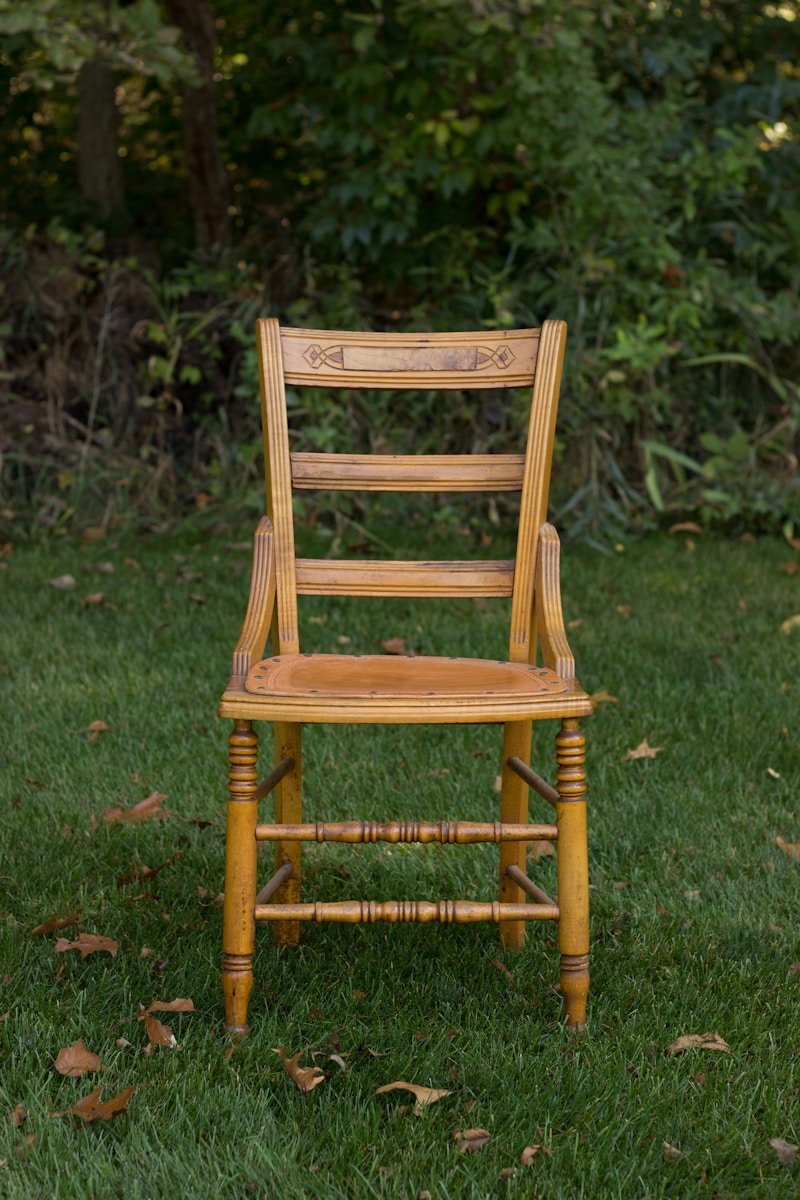
I spent three years as an ergonomics consultant before I moved into furniture manufacturing, and I can tell you this: most people have no idea how badly they sit. Not because they're lazy or don't care, but because the modern world is designed around furniture that looks good in photos but destroys your spine over time.
Here's the uncomfortable truth: sitting is killing us. Studies show that prolonged sitting increases the risk of cardiovascular disease, diabetes, and musculoskeletal disorders. But since most of us can't quit our desk jobs and become farmers, we need to learn how to sit in ways that minimize the damage.
The Spine: Your Body's Architecture
To understand ergonomics, you first need to understand what you're trying to protect: your spine. Your spine has three natural curves:
- Cervical (neck): Curves inward, toward your throat
- Thoracic (mid-back): Curves outward, away from your body
- Lumbar (lower back): Curves inward, toward your belly
These curves aren't design flaws—they're load distribution mechanisms. When you sit with proper spinal alignment, your intervertebral discs bear weight evenly and your muscles can relax. When you slouch, those curves flatten or reverse, creating pressure points and muscle strain.

The 90-Degree Myth
You've probably heard that proper sitting means maintaining 90-degree angles at your hips, knees, and elbows. Like many "rules," this is an oversimplification that became conventional wisdom.
The reality is more nuanced. Research from the late 1990s found that a slight recline—around 100-110 degrees at the hips—actually reduces spinal disc pressure compared to the traditional 90-degree "upright" position. This is why zero-gravity chairs and ergonomic recliners have gained popularity.
What's really important isn't hitting some arbitrary angle—it's maintaining the natural curves of your spine throughout whatever position you're in.
"The best posture is your next posture. No single position, no matter how 'ergonomic,' should be held for extended periods. The body is designed to move, and static positions—even 'correct' ones—eventually cause problems."
What Your Chair Should Do
Support Your Lumbar Curve
This is the most critical function of any seating. Your lumbar spine (lower back) takes the most stress during sitting. Without proper support, the lumbar curve flattens, causing what ergonomists call "passive insufficiency"—your muscles have to work constantly to keep you upright.
Look for chairs where the lumbar support:
- Follows the natural inward curve of your lower back
- Positions at approximately waist height (not hip height)
- Allows some "sink in" without losing support
- Maintains proper positioning as you recline
Allow Thighs to Float
When your thighs are fully supported by the seat, your hip angle is optimal. When the front edge of the seat presses into the back of your thighs (what we call "the bite"), blood flow is restricted and your pelvis tilts backward, flattening your lumbar curve.
The ideal seat has what's called a "waterfall edge"—the front curves downward, removing that hard edge from behind your knees.
Keep Your Feet Flat
Your feet should rest flat on the floor (or on a footrest) without your knees angling up or down. This allows your calf muscles to pump blood back up from your legs, reducing swelling and fatigue.
The Recliner Advantage
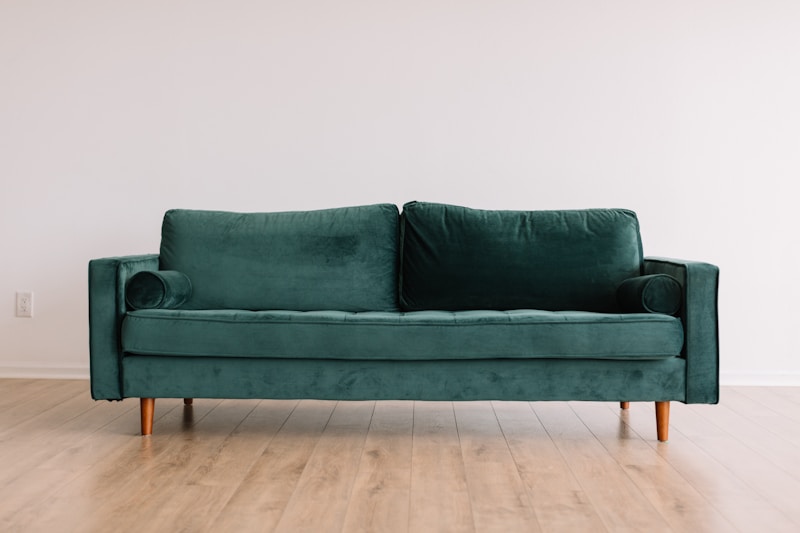
Here's where recliners actually have an ergonomic advantage over traditional chairs: they allow dynamic sitting. A good recliner lets you:
- Shift positions frequently without getting up
- Elevate your legs to reduce lower back pressure
- Recline to positions that naturally restore spinal curves
- Find your personal comfort sweet spot (which varies by body)
The key is using that adjustability. Many people buy recliners and then sit in one position the entire time. The magic of a recliner is that you can find different positions for different activities—more upright for watching TV, more reclined for reading, fully flat for napping.
The 20-8-2 Rule
Here's a simple framework I give all my consulting clients:
- Every 20 minutes: Stand up and move for at least 2 minutes
- Every 8 hours: Get horizontal (lie down or fully recline) for 20+ minutes
- Never sit for more than 2 hours without a significant position change
This isn't about being perfect—it's about introducing movement into what would otherwise be static sitting. Your intervertebral discs don't have blood vessels; they get nutrients through movement and compression cycles. The more you move, the healthier your spine stays.
Common Sitting Mistakes
The Slouch
We've all done it—lower back rounds, shoulders roll forward, chin juts out. This is called "posterior pelvic tilt" and it's one of the worst positions for your spine. It can increase disc pressure by up to 40% compared to neutral standing.
The Leans
Some people lean to one side, placing all their weight on one hip. Others perch on the front edge of their chair like they're about to sprint. Both create asymmetric loading and muscular imbalance.
The Cross
Crossing your legs at the knee (not the ankle) tilts your pelvis and can cause lower back pain over time. If you must cross, cross at the ankles—it keeps your pelvis more neutral.
Setting Up Your Space
Ergonomics isn't just about your chair—it's about your entire environment:
Screen Height
The top of your screen should be at or slightly below eye level. If you're looking up, your neck extends and upper back muscles strain. If you're looking down, you're creating neck flexion.
Armrest Height
When your forearms rest parallel to the ground (or slightly angled down), your shoulders stay relaxed. Armrests that are too high raise your shoulders; too low and you reach down, straining your neck.
Lighting
Glare on screens causes you to crane your neck forward to see past reflections. Proper lighting placement (behind or to the side of your screen) reduces this.
For Recliner Buyers
If you're in the market for a recliner and ergonomics is a priority, look for these features:
- Adjustable lumbar support: The curve of your lower back changes as you recline—fixed lumbar doesn't adapt
- Infinite position control: The ability to stop at any angle, not just 2-3 preset positions
- Proper seat depth: You should be able to sit with your back against the backrest and still have 2-3 fingers of space between the seat edge and the back of your knees
- Quality headrest: Supports your neck, not just your head
For specific recommendations, check out our guides on recliners for back pain relief and home theater seating options.
The Bottom Line
Perfect posture doesn't exist. The goal isn't some ideal position—it's finding ways to move more, sit in varied positions, and reduce the cumulative stress we put on our spines. A good chair is an enabler of healthy sitting, not a guarantee of it.
Invest in furniture that supports your body's natural structure, but remember that the best chair is the one you'll get up from regularly. Set timers if you have to. Your spine will thank you in 30 years.

Sarah Mitchell
Furniture Industry Expert, 12 Years ExperienceSarah has worked in furniture manufacturing, product development, and consulting. She founded ReclinerCash to help consumers make smarter furniture decisions.
Related Articles

Best Recliners for Back Pain
April 14, 2026
Power vs Manual Recliners
April 12, 2026