My golden retriever has destroyed two "pet-friendly" recliners. After that expensive education, I learned that "pet-friendly" marketing doesn't always mean what it should. Real pet-friendly furniture requires understanding what actually causes damage (claws, not just pet hair) and choosing materials that resist real threats. Here's what actually works.
Understanding Pet Damage
Common Threats
- Claws: Scratches and tears from claws
- Jumping: Impact damage when pets jump on/off
- Nails: Puncture from nails
- Hair: Embedded in fabrics
- Odors: Accidents and general pet smell
What Makes Pet-Friendly Different
True pet-friendly materials address:
- Surface durability against scratches
- Cleanability of accidents
- Odor resistance
- Hair removal ease
Best Fabrics for Pet Owners
Crypton and Performance Fabrics
The gold standard:
- Built-in stain and odor resistance
- Moisture barrier
- Antimicrobial
- Scratch resistant
Leather (Surprisingly)
Better than fabric for some pets:
- Scratches less visible (wipes clean)
- No hair embedded in fabric
- Easier to clean accidents
- Develops patina with scratches
Microfiber (High-Quality)
Budget-friendly option:
- Tight weave resists claw damage
- Hair vacuums off easily
- Affordable
- Machine washable in some cases
Features That Help
Removable Covers
- Washable covers essential
- Quick swap when needed
Dark Colors
- Shows less pet hair
- Hides minor scratches

What to Avoid
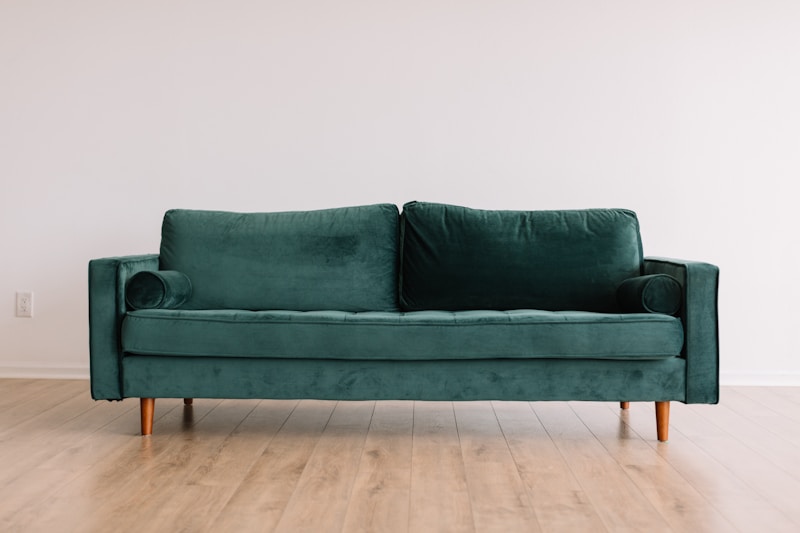
- Velvet (claws snag easily)
- Loose weaves (claws catch)
- Light colors (show everything)
- Cheap faux leather (peels with claw use)
Training Matters
The best furniture still needs boundaries:
- Teach "off" command
- Keep nails trimmed
- Provide alternative sleeping spots
For more guidance, see our kids and pets furniture guide and maintenance guide.

Sarah Mitchell
Furniture Industry Expert, 12 Years ExperienceSarah has worked in furniture manufacturing, product development, and consulting. She founded ReclinerCash to help consumers make smarter furniture decisions.
Related Articles

Kids and Pets Furniture
December 15, 2025
Cleaning Your Recliner
December 18, 2025