I've seen expensive furniture destroyed by improper seasonal care. A client stored her outdoor cushions in garbage bags through the winter—moisture built up, mold developed, and $800 in cushions became landfill. Another stored her leather recliner near a radiator—within two winters, the leather had cracked beyond repair. These are preventable disasters. Here's what you need to know about caring for furniture through seasons and storing it properly.
Understanding Seasonal Stress
Winter Challenges
- Low humidity: Heated indoor air dries out wood and leather
- Temperature swings: Cold to warm transitions cause condensation
- Reduced light: Less natural light affects some materials
- Holiday traffic: More use, more potential for damage
Summer Challenges
- High humidity: Moisture causes swelling, mold, mildew
- Heat buildup: Cars and non-climate spaces can reach damaging temperatures
- Sun exposure: UV rays fade and degrade materials
- Increased activity: More use during good weather

Year-Round Care Schedule
Quarterly Tasks
- Vacuum around and under furniture
- Check and tighten any loose screws or bolts
- Inspect for signs of wear or damage
- Rotate cushions if reversible
Bi-Annual Tasks (Spring and Fall)
- Deep clean upholstery
- Condition leather if applicable
- Check humidity levels and adjust
- Inspect mechanisms on recliners
"The best furniture maintenance is preventive. A few minutes of care twice a year prevents expensive repairs or replacements. Set calendar reminders—your furniture will last years longer."
Leather Furniture Seasonal Care
Winter Protection
- Increase home humidity to 35-55%
- Keep furniture away from heating vents and radiators
- Condition leather before winter heating season begins
- Use leather moisturizer if home air is dry
Summer Protection
- Maintain air conditioning to control humidity
- Keep out of direct sunlight if possible
- Wipe up perspiration quickly (salt from skin damages leather)
- Condition more frequently in humid months
Leather Conditioning Products
- Water-based conditioners are safer than oil-based
- Avoid silicone products—they can degrade stitching
- Test products on hidden areas first
Fabric Furniture Seasonal Care
Humidity Considerations
- High humidity promotes mildew—ensure good air circulation
- Low humidity can cause fabric to become brittle
- Consider dehumidifier in damp climates or seasons
Fabric Protection
- Apply fabric protector before high-use seasons
- Reapply after deep cleaning
- Clean spills immediately to prevent stains setting
Wood Furniture Seasonal Care
Humidity Response
- Wood expands in humidity, contracts in dryness
- Maintain 35-55% relative humidity
- Use humidifier/dehumidifier as needed
Surface Protection
- Use coasters for drinks
- Use trivets for hot items
- Wipe up spills immediately
- Use felt pads under decorative items
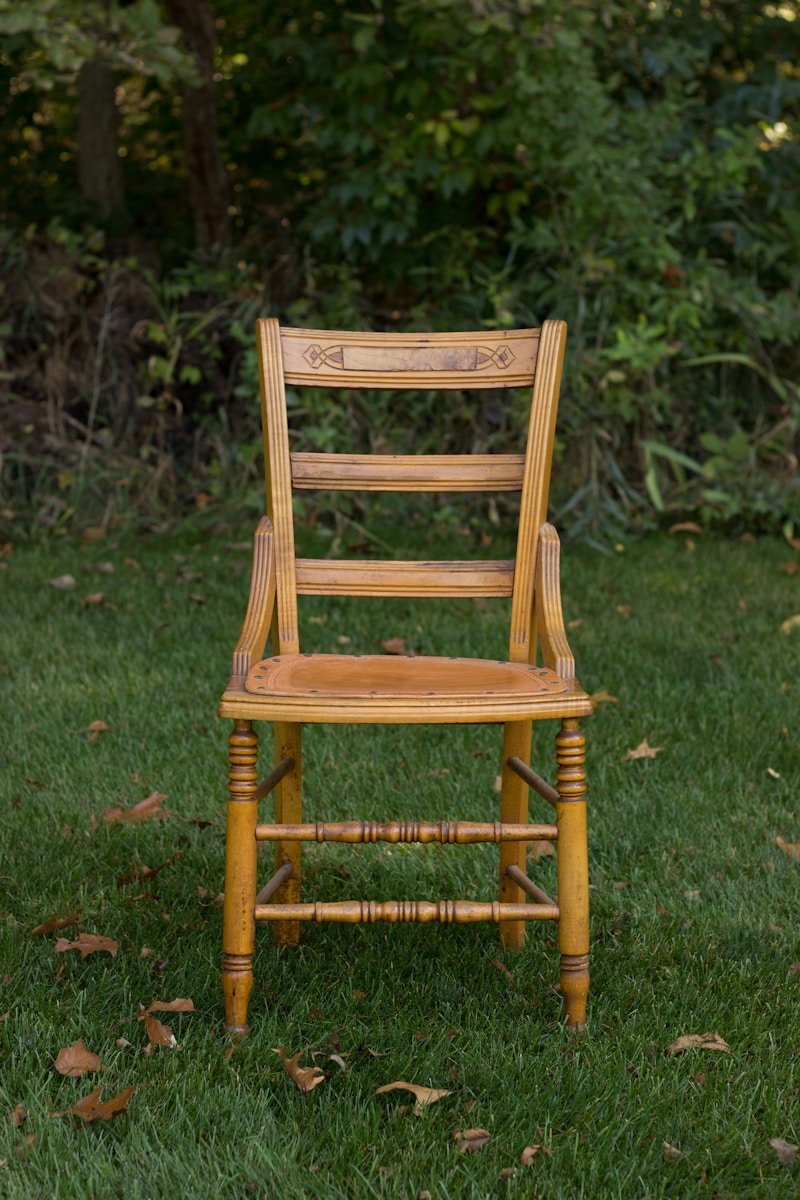
Outdoor Furniture Storage
Before Storage
- Clean thoroughly and allow to dry completely
- Apply protective treatments if applicable
- Cover with breathable fabric covers (not plastic)
- Elevate off ground if stored outside
Storage Location
- Climate-controlled storage is ideal
- Avoid temperature extremes
- Keep out of direct sunlight even when stored
- Ensure good air circulation
Common Mistakes
- Storing in non-breathable plastic creates moisture problems
- Storing near heating/cooling equipment causes temperature swings
- Failing to clean before storage allows grime to set
Cushion Storage
Outdoor Cushions
- Clean and dry completely before storing
- Store in breathable containers or bags
- Keep in dry, climate-controlled space
- Elevate off garage floor
Indoor Throw Pillows
- Store in vacuum-sealed bags to save space
- Keep in dry location
- Fluff before returning to use
Recliner Seasonal Care
Mechanism Maintenance
- Lubricate moving parts twice yearly
- Clean dust from mechanism rails
- Check electrical cords for damage before winter use
Fabric Care by Season
- Winter: Watch for salt and mud from boots
- Summer: Clean more frequently due to increased use
Quick Seasonal Checklist
Fall Preparation
- □ Deep clean all furniture
- □ Condition leather before heating season
- □ Check humidity levels and adjust
- □ Inspect for summer wear damage
Spring Preparation
- □ Clean outdoor furniture
- □ Check for winter damage
- □ Deep clean upholstery
- □ Open windows for air circulation
For more care tips, see our recliner maintenance guide and air quality guide.

Sarah Mitchell
Furniture Industry Expert, 12 Years ExperienceSarah has worked in furniture manufacturing, product development, and consulting. She founded ReclinerCash to help consumers make smarter furniture decisions.
Related Articles

Air Quality and Furniture
December 22, 2025
Cleaning Your Recliner
December 18, 2025