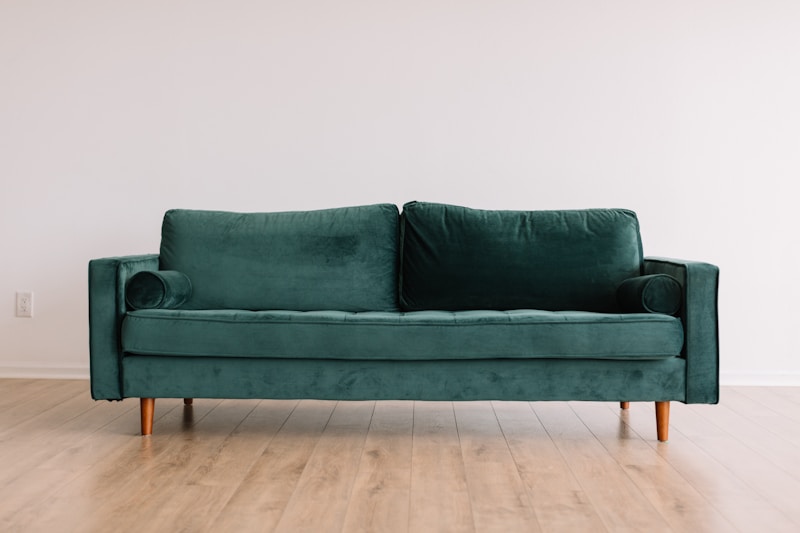
My grandmother's living room was always the warmest place in her house. Not temperature-wise—though she kept it cozy—but in that indefinable way that made you want to stay. She'd done it without expensive furniture or renovation: just thoughtful choices about how the room worked.
Creating a comfort zone isn't about expensive furniture or perfect décor. It's about understanding what makes a space genuinely comfortable to inhabit for hours. Here's what I've learned about creating rooms you never want to leave.
The Foundation: Furniture Arrangement
The Conversation Circle
Living rooms often fail comfort because they're arranged around the TV rather than for human connection. The problem: TV-centric arrangement puts furniture with backs to the room's other functions.
Better approach: Create a conversation circle. Furniture faces each other, with the TV visible from primary seats but not the focal point. This allows:
- Face-to-face conversation
- TV viewing from comfortable angles
- Natural traffic flow around seating
Proportion and Scale
Room comfort depends on proportion:
- Oversized furniture in small rooms: Makes space feel cramped and claustrophobic
- Undersized furniture in large rooms: Makes space feel empty and uncared for
- Right scale: Furniture that allows movement while still feeling substantial
The Walkway Rule
High-traffic paths should be:
- At least 36 inches wide for single traffic
- At least 48 inches for furniture arrangement flexibility
- Not through the middle of conversation areas
Temperature Comfort
Zoning Your Space
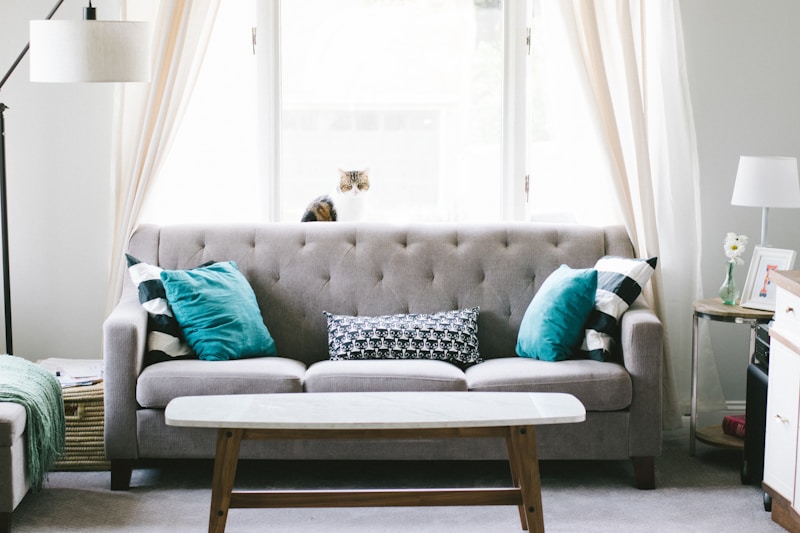
Most homes have hot and cold spots. In living rooms:
- Windows: Create cold zones in winter, hot zones in summer
- External walls: Typically colder than interior walls
- High ceilings: Create temperature stratification (warm rises, cool settles)
Solutions
- Ceiling fans: Help equalize temperature, summer and winter
- Portable heaters: Zone-specific warmth where needed
- Weather stripping: Reduce cold infiltration around windows
- Curtains: Insulating curtains reduce window-related temperature swings
The Thermostat Compromise
When multiple people share space, temperature is often contested. Solutions:
- Individual foot warmers: Under-desk heating pads
- Blankets: Easy to add/remove for personal comfort
- Fan placement: Direct airflow toward or away from personal space
Lighting for Comfort
Layer Your Lighting
Room comfort requires multiple light layers:
- Ambient: General room illumination (ceiling fixtures, can lights)
- Task: Specific work areas (reading lamps, desk lamps)
- Accent: Highlights features (artwork lighting, plant spots)
- Decorative: Aesthetic focus (chandeliers, statement fixtures)
The Temperature of Light
Light color affects perceived temperature:
- Warm light (2700-3000K): Feels cozy, inviting, like incandescent bulbs
- Cool light (4000-5000K): Feels energetic, clinical, like daylight
- For living rooms: Warm light creates more comfort
"The single biggest comfort improvement in most living rooms is switching to warm light bulbs and adding dimmers. You can have the same amount of light while making the room feel completely different."
Dimmers Are Essential
Dimmers allow comfort adjustment throughout the day:
- Morning: Lower, warmer light
- Afternoon: Brighter for activities
- Evening: Dim, relaxing light as bedtime approaches

Sound Comfort
Hard Surfaces and Echo
Living rooms with hard floors, large windows, and minimal furniture create echo and reverberation. This makes spaces feel less comfortable because:
- Conversations require more effort
- TV/audio sounds distorted
- Every noise seems louder
Sound Absorption Solutions
- Area rugs: The simplest and most effective solution
- Upholstered furniture: Fabric seating absorbs sound
- Window treatments: Heavy curtains absorb rather than reflect
- Bookcases: Filled bookshelves are excellent sound diffusers
Background Noise Management
Some ambient noise is comfortable; some isn't:
- Comfortable: White noise, nature sounds, soft music
- Uncomfortable: Traffic noise, HVAC hum, neighbor sounds
Solutions:
- Weather stripping reduces external noise infiltration
- Background music masks intrusive sounds
- White noise machines can help in noisy environments
Texture and Tactile Comfort
Soft Surfaces
Rooms with only hard surfaces (tile, glass, metal) feel uncomfortable to inhabit. Humans need soft surfaces to feel at ease.
- Upholstered furniture provides seated comfort
- Throw pillows add visual and physical softness
- Area rugs create soft underfoot zones
- Window treatments soften hard window edges
The Tactile Hierarchy
Consider what different surfaces feel like:
- Most tactile surfaces: Things you touch (fabric, wood, leather)
- Visual texture: Creates perception of softness even if not touched
- Balance: Mix of textures prevents room from feeling monotone
The Smell Factor
Odor Management
Comfortable rooms don't have strong odors:
- Pet odors make spaces uncomfortable for visitors
- Cooking smells can permeate soft furniture
- Stale air indicates poor ventilation
Positive Scent
Subtle, natural scents contribute to comfort:
- Fresh air (open windows when possible)
- Live plants (some actively improve air quality)
- Light, natural candles (avoid synthetic air fresheners)
Practical Comfort Checklist
Furniture
- □ Seating allows comfortable sitting for extended periods
- □ Furniture scaled appropriately for room size
- □ Conversation areas don't require shouting
- □ Traffic flow is clear and natural
Temperature
- □ Room can be heated/cooled independently if needed
- □ Windows have treatments for temperature control
- □ Ceiling fan or portable circulation available
Lighting
- □ Multiple light sources available
- □ Dimmers on primary lights
- □ Warm light (2700-3000K) for evening
Sound
- □ Area rug or soft floor covering
- □ Soft furniture absorbs sound
- □ External noise is manageable
Quick Comfort Improvements
If you're looking to improve comfort without major purchases:
- Switch to warm light bulbs and add dimmers if possible
- Add one area rug in your main seating zone
- Add throw pillows to existing seating
- Add one plant (improves air quality and adds softness)
- Get better window treatments (insulating curtains pay for themselves in energy savings)
- Add one lamp in a dark corner (eliminates "cave" feeling)
For more guidance on furniture selection, see our ergonomics guide and temperature control guide.

Sarah Mitchell
Furniture Industry Expert, 12 Years ExperienceSarah has worked in furniture manufacturing, product development, and consulting. She founded ReclinerCash to help consumers make smarter furniture decisions.
Related Articles
Temperature Control
December 26, 2025
Lighting and Comfort
December 24, 2025