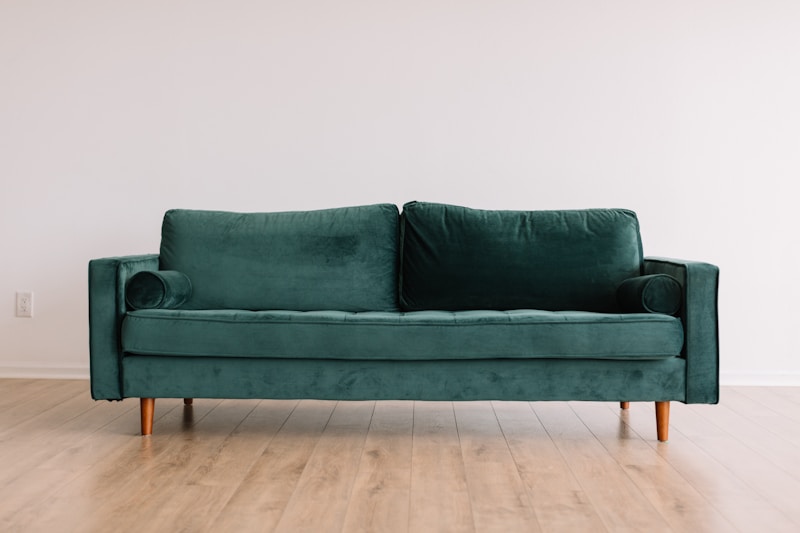
I walked into a friend's new house and immediately felt uncomfortable. The living room was beautifully decorated, the furniture was comfortable, but something felt off. It took me a moment to realize: every light was the same harsh, cool fluorescent. "We haven't picked out 'real' lights yet," she said. "These are just temporary." But she'd been living with them for six months. Lighting isn't decoration—it's comfort infrastructure.
After years of consulting on home comfort, I've learned that lighting is the most overlooked factor in how comfortable spaces feel. Most people think about furniture, temperature, and color, but lighting transforms all of those things.
The Science of Light and Comfort
How Light Affects the Body
Light does more than let us see—it directly affects our biology:
- Circadian rhythms: Bright light in the morning signals wakefulness; darkness signals it's time to sleep
- Melatonin production: Blue light suppresses melatonin, making sleep harder
- Cortisol levels: Light exposure affects alertness and stress response
- Mood: Sunlight exposure correlates with lower rates of depression
The Color Temperature Scale
Light is measured in Kelvin (K):
- 2700K: Warm white, like incandescent bulbs—cozy, relaxing
- 3000K: Soft white—warm with slightly more clarity
- 4000K: Cool white—neutral, energizing
- 5000K+: Daylight—bright, clinical
For living rooms and bedrooms, lower color temperatures (2700-3000K) create more comfortable, relaxing environments.
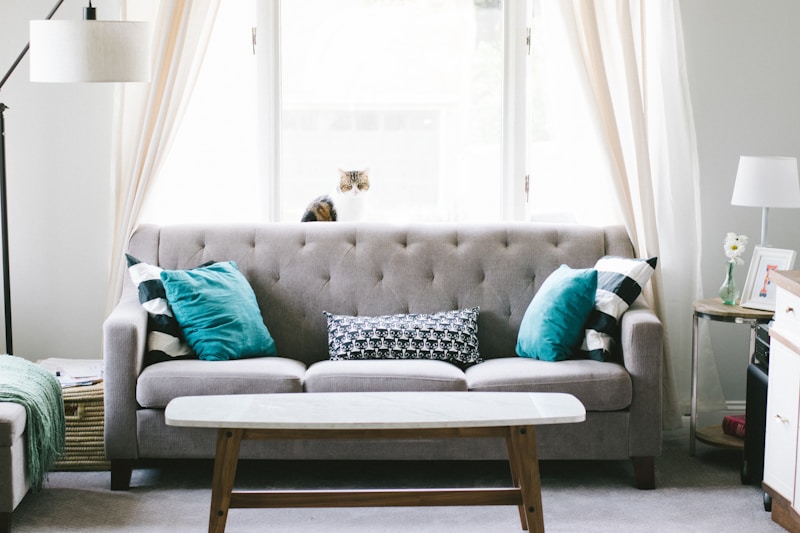
Types of Light Layers
Ambient Lighting
General room illumination. The base layer:
- Ceiling fixtures: Provide overall room light
- Recessed lighting: Can lights that provide even coverage
- Track lighting: Flexible direction of light
Task Lighting
Light for specific activities:
- Reading lamps: Directed light for specific seats
- Under-cabinet lights: Kitchen task lighting
- Desk lamps: Office and hobby work
Accent Lighting
Highlights specific features:
- Artwork lighting: Directed spotlights
- Architectural highlights: Crown molding, columns
- Plant lighting: Accentuating greenery
"The most comfortable rooms I've been in have multiple light sources that can be adjusted independently. The room can be bright for cleaning, dim for watching TV, and intimate for conversation—all by adjusting different lights."
Decorative Lighting
Fixtures as design elements:
- Chandeliers: Focal points in dining areas
- Statement pendants: Kitchen islands, entryways
- Novelty fixtures: Where the fixture itself is the point
Dimmers: The Key to Comfort
Why Dimmers Are Essential
Rooms need different light levels at different times:
- Morning: Lower light while waking, ramp up as day progresses
- Afternoon: Full brightness for activities
- Evening: Gradual dimming as bedtime approaches
- TV watching: Very low light to reduce eye strain
Without dimmers, rooms are stuck at one brightness level—which rarely suits all situations.
Dimmer Types
- Traditional slide dimmers: Classic control
- Rotary dimmers: Twist control
- Smart dimmers: App and voice control, scheduling
- Smart bulbs: Bulbs with built-in dimming, no dimmer switch needed

Practical Light Bulb Guide
LED Bulbs for Comfort
Modern LED bulbs are highly efficient but vary in quality:
- Look for: Color temperature specified (2700-3000K for warmth)
- CRI rating: Color Rendering Index—higher (90+) means colors look natural
- Dimmable: Verify if dimmable before buying
Common Mistakes
- All same temperature: Mixing 2700K and 5000K in same room looks jarring
- Too bright: More lumens isn't better—enough light for the task
- Wrong placement: Light where you're standing, not where you're looking
Room-Specific Recommendations
Living Room
- Ambient: Dimmable ceiling fixture
- Task: Floor or table lamps near seating
- Accent: Optional artwork or architectural lighting
- Evening: Lamps only, no overhead
Bedroom
- Warm temperature: 2700K or lower
- Dimmable: All lights should dim
- Reading: Bedside lamps with focused beams
- Wake-up: Smart bulbs that simulate sunrise
Home Theater
- Bias lighting: LED strip behind screen
- Floor lighting: For safe movement during films
- Very dim: Room should be nearly dark when viewing
Quick Lighting Improvements
If you're not ready to rewire your house:
- Swap to warm bulbs: Replace cool (5000K+) bulbs with warm (2700-3000K)
- Add one lamp: In a dark corner, one warm lamp eliminates "cave" feeling
- Install dimmers: Replace existing switches with dimmer switches
- Smart bulbs: No wiring needed, just screw in bulbs
- Layer sources: Don't rely on only overhead lights
For more on creating comfortable spaces, see our living room comfort guide and temperature control guide.

Sarah Mitchell
Furniture Industry Expert, 12 Years ExperienceSarah has worked in furniture manufacturing, product development, and consulting. She founded ReclinerCash to help consumers make smarter furniture decisions.
Related Articles
Creating a Comfort Zone
December 28, 2025
Temperature Control
December 26, 2025